
Parking.brussels
Client: Parking.brussels
Website: Parking.brussels
Go live: August 24
Industry: Federal government
Services: Web design, content migration, tone-of-voice, copywriting, content optimization, translations (NL, FR, EN)
Stack: Matomo, Paddle CMS - Drupal 10, multilingual module, web forms, agenda module, search filters

Parking.brussels, the government agency responsible for parking policy in Brussels, faced the challenge of modernizing its online presence. They aimed to improve user experience and digitize processes like parking permit applications. They partnered with Paddle.be to create a new, user-friendly, multilingual website featuring digital forms and an improved interface. After a European public tender, Paddle.be was selected for its flexible, scalable, and cost-effective solution.
A large project, but we are satisfied with the result. It is a modern and user-friendly platform that supports our mission
Van Vu
Webmaster

What we did
Collaboration between the various teams was essential for the success of this project. The key steps included:
- Analysis of the existing website
- Graphic design
- Content migration
- Content optimization
- Implementation of web forms
- Multilingualism
Before beginning the redesign, a thorough analysis of the existing website was conducted. We focused on the most visited pages, particularly customer services, and identified inefficiencies, such as complex navigation and outdated content. A key priority was to gain a deep understanding of parking.brussels business logic to ensure that the new website structure and content would meet their operational needs.
One of the main technical focuses was maximizing content reuse. All existing content, including 54 web forms in three languages, was incorporated into the new website. A major shift was the digitalization of these forms, which simplified internal processes and improved user experience. We also ensured that the content was optimized for SEO, making it easier for users to find relevant information quickly.
Web design
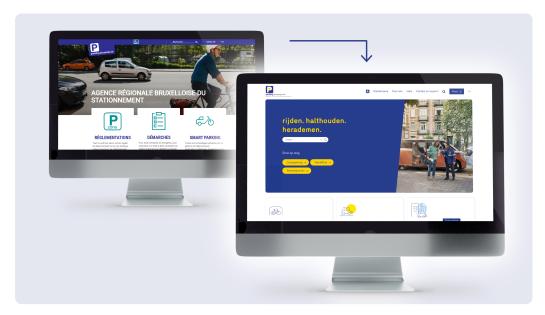
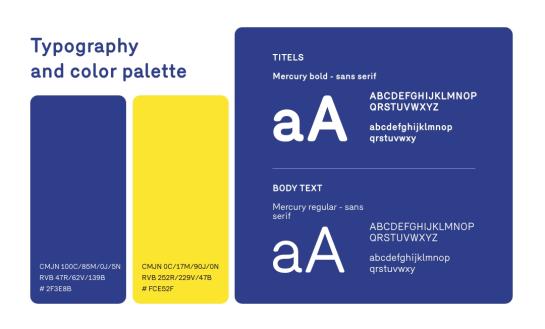
The collaboration with Kwin.be was essential for the visual aspect of the new website. Kwin.be, with its experience in applying visual identities, worked closely with our graphic designer. However, it is important to emphasize that Woomera played a key role in laying the foundation for the new design, including the mini web style guide and icons. Together, their efforts resulted in an attractive and intuitive interface. This collaboration ensured that the website was functional and had the modern, professional appearance of parking.brussels aimed to convey. The goal was to create a "softer" design that appeared friendlier to citizens. They no longer wanted to project a negative image but instead highlight their mission: helping citizens make the city more livable. Using rounded shapes and colorful icons, they aimed to make the site visually more accessible and inviting.
Training
During the project, several training sessions were organized to support the Parking Brussels team:
- Writing for the web
- Paddle CMS for editors and administrators
- Tone-of-voice workshop
- Web forms training
Several workshops were organized to guide the content creation process, ensuring the new tone of voice was aligned with the agency’s goals. The tone-of-voice workshop led by external copywriter Thomas Halter defined a more accessible communication style. While Dutch content took on a more informal tone using "je/jouw," French content remained formal with "vous." These linguistic differences were carefully implemented in collaboration with Kwin.be and the internal team.
All content was optimized for SEO and translated into three languages (NL, FR, EN) in collaboration with the ESN translation department.
Technology / Connections and Integrations
The Parking Brussels website was built with a robust tech stack and offers several integrations:
- Paddle CMS - Drupal 10
- Matomo
Modules
Some of the key modules installed and configured to the website include:
- Webform
- Events calendar
- Search pages with filters
- Pop-up module
- Frequently Asked Questions
Previously, we had to manually enter data from PDFs; now we receive everything directly digitally via Salesforce. This saves us an enormous amount of time.
All content was integrated into the new site, with a focus on usability. An important aspect of the new website was the conversion of 54 PDF documents into user-friendly web forms, in three languages: Dutch, French, and English. The translations were carried out in collaboration with the translation department of ESN. Previously, users had to print, fill out, and scan these PDFs to submit a complaint or apply for a parking permit. This cumbersome process has now been fully digitized, providing a much better user experience and significantly easing the workload for the support team. Thanks to this digitization, they now receive the forms directly in their system, without manual entry, which greatly increases efficiency.

The new contact page of the parking.brussels website was designed to significantly reduce pressure on the support team. Previously, they received a large number of phone calls and emails for inquiries that are now addressed through the FAQ section and a newly integrated contact form. Visitors are first directed to the right information in the FAQ, and if their question is not answered, they can easily fill out the form. This has resulted in fewer direct phone calls and emails, allowing the support team to work more efficiently.
Results + figures
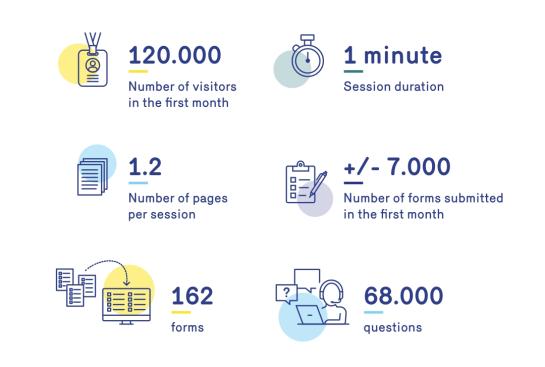
The new website for parking.brussels was launched in August 2024. The launch process went smoothly, and immediate feedback from both the internal team and users highlighted the improvements in navigation, content accessibility, and overall user experience. The transition to the new site was seamless, with minimal disruptions to daily operations.
After the launch of the new website, parking.brussels received very positive feedback from its management and the 12 Brussels municipalities with which it collaborates. The management was particularly enthusiastic about the modernization and digitization of processes, such as the use of web forms and the improved user experience. The municipalities also appreciated the novelty, especially highlighting the new user-friendly platform and the smooth implementation of multilingualism.